Protect your property from water intrusion, damp surfaces, and moisture-related deterioration with practical waterproofing solutions tailored to the problem. Davicojoinery LLC works with property owners in Orlando, FL, to assess visible moisture concerns, identify possible entry points, and determine what repairs or protective measures may be appropriate. From foundation and exterior wall concerns to concrete surfaces, the right approach starts with understanding where the water is coming from and how it affects the property.
Water entering a basement or below-grade area can damage stored belongings, affect interior finishes, and leave surfaces persistently damp. The source may involve water collecting around the foundation, cracks or joints, drainage problems, or moisture passing through porous materials. Identifying the likely cause helps determine whether the property needs targeted repairs, improved drainage, a waterproofing treatment, or further evaluation.
Basement conditions vary from one property to another, so a suitable solution depends on the building’s construction, the location of the moisture, and the conditions surrounding the affected area. Our approach focuses on the reported problem and the work required to address it, rather than assuming that every property needs the same system. Where structural movement, persistent groundwater pressure, or another specialist issue is suspected, additional assessment may be necessary before work proceeds.
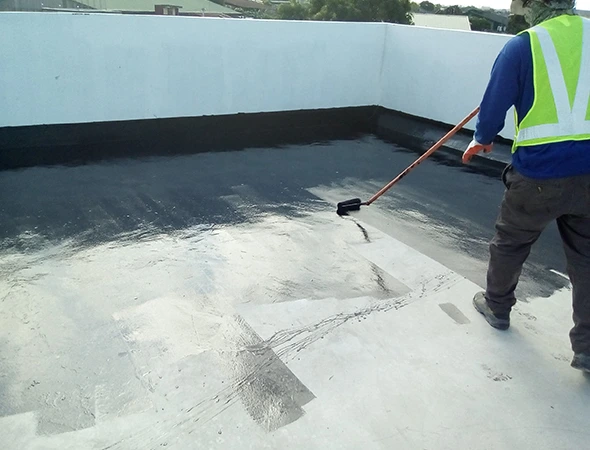
Moisture problems can affect foundations, concrete surfaces, exterior walls, and interior spaces in different ways. Choosing the right service begins with understanding the affected area, the signs of water entry, and the conditions that may be contributing to the problem. Davicojoinery LLC can discuss the reported issue, explain the relevant work within its service offering, and help establish a practical scope before the project begins.
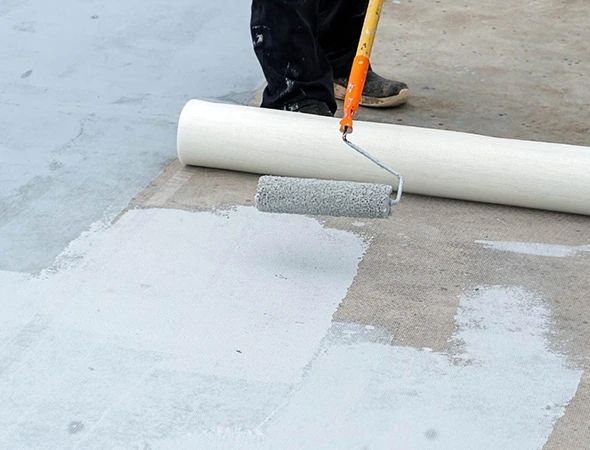
Effective waterproofing begins with a clear understanding of the problem and a repair plan suited to the property. Water can enter through different pathways, and a surface treatment alone may not resolve drainage issues, active leaks, or movement-related cracks. Our focus is on discussing the affected area, explaining the proposed scope, and helping property owners understand the work being considered before making a decision.
Rigorously Trained Technicians
Waterproofing work requires care when assessing materials, moisture pathways, and repair requirements. Project personnel should follow the appropriate methods for the work being undertaken, with specialist assessment arranged where the issue exceeds the project’s scope.
Dependable Scheduling
Clear communication about site visits, project requirements, and anticipated timing helps property owners prepare. Scheduling depends on the agreed scope, material availability, site access, weather, and any additional work identified during assessment.
Commercial-Grade Materials
The materials used should be suitable for the substrate, exposure conditions, and type of water intrusion being addressed. A product intended for surface protection, for example, is not automatically suitable for an active leak or a drainage problem.
Transparent Pricing Models
A useful estimate should explain the work included and identify relevant cost factors, such as the affected area, preparation, repair requirements, material selection, and site access. Additional work may affect the total if concealed damage or other issues are discovered.
Localized Environmental Insight
Orlando’s heavy rainfall and humid conditions can make water management especially important. However, the right solution still depends on the property, its drainage, construction, and the source of the moisture rather than location alone.
Protect your property with concrete and waterproofing work built specifically around your property’s moisture concerns. Discuss the affected area and the conditions under which the problem appears so the next steps can be considered more clearly.
A practical waterproofing project starts with understanding the symptoms and establishing a suitable scope of work. The process should account for the location of the moisture, the condition of the affected materials, and whether the problem may require drainage improvements, repairs, surface protection, or further specialist evaluation.
Initial Site Assessment
Review the reported moisture issue, the affected surfaces, and any visible signs of water entry or deterioration. Information about when the problem occurs—such as after heavy rain, during periods of high humidity, or around plumbing use—can help narrow down possible causes. Visible symptoms alone may not confirm the exact source.
Solution Planning
Determine the work appropriate to the identified problem and explain the proposed scope. Depending on the assessment, this may involve repairs to suitable surfaces or joints, a compatible waterproofing treatment, or recommendations for further evaluation. The plan should distinguish the work included from issues that require a separate specialist.
Final Review
Review the completed work against the agreed scope and discuss any relevant care or maintenance instructions. Where applicable, the property owner should understand the limitations of the treatment and any conditions that may require additional attention, such as continuing drainage problems or a separate source of water entry.
Water around a foundation can result from rainfall runoff, poor surface drainage, leaking pipes, cracks, or moisture moving through porous building materials. Persistent dampness, water marks, or recurring wet areas deserve attention, but these signs do not automatically establish the cause or indicate that the foundation has structural damage.
A suitable response depends on where the water appears, when it occurs, and the condition of the surrounding property. Work may involve addressing appropriate cracks or joints, improving water management near the building, or applying a compatible protective treatment to suitable surfaces. If there are signs of substantial movement, widening cracks, or structural deterioration, seek an assessment from a qualified structural professional before relying on waterproofing alone.
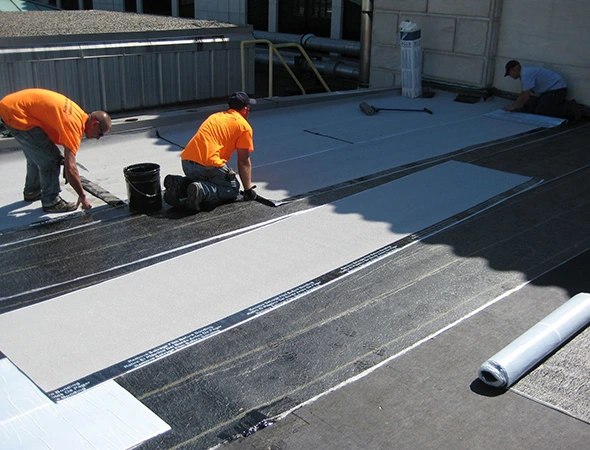
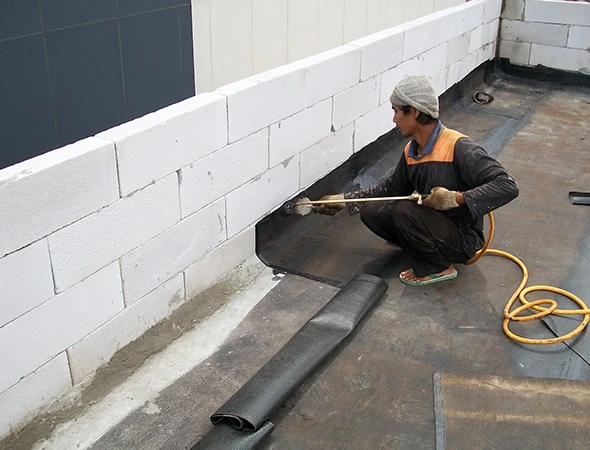
Exterior waterproofing aims to reduce water entry through exposed walls, foundation surfaces, and other suitable parts of the building envelope. Depending on the property, contributing factors may include rainwater collecting beside the building, poorly directed downspouts, damaged joints, surface cracks, or a deteriorated protective layer. Identifying these conditions helps establish which areas need attention.
Not every property requires excavation or a complete exterior waterproofing system. Some problems may be addressed through appropriate surface repairs or better management of roof and ground runoff, while below-grade water entry may require a different approach. The recommended work should reflect the observed conditions, the building’s construction, and access to the affected area.
Interior signs of water intrusion can include damp patches, peeling finishes, water marks, musty odors, or moisture accumulating near floors and walls. These symptoms can also have causes unrelated to groundwater, including plumbing leaks, condensation, or water entering from above. Establishing the likely source is important before selecting an interior treatment.
Depending on the conditions, suitable work may involve repairing affected surfaces, sealing compatible joints, or considering an appropriate water-collection and drainage approach. Interior drainage can manage water that reaches the system, but it does not necessarily stop water from entering through an exterior wall. Persistent moisture should be investigated, and wet materials should be dried promptly to reduce the risk of further deterioration and mold growth.
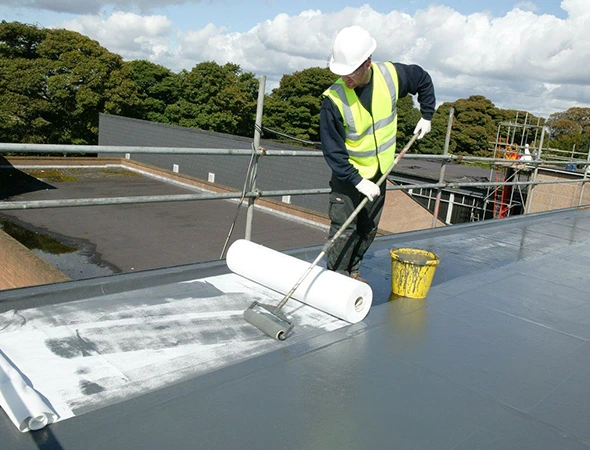
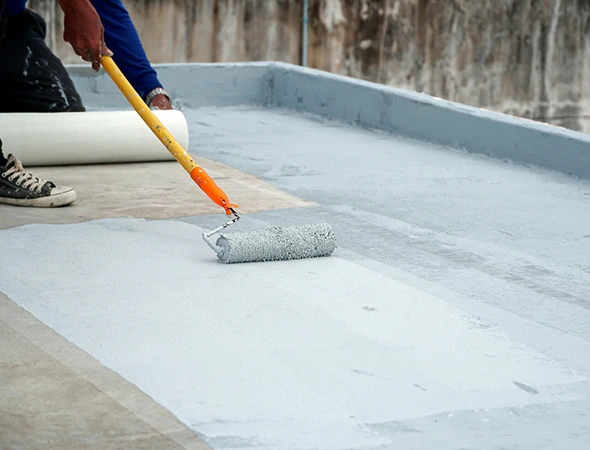
Concrete can absorb moisture through its pores, and cracks or construction joints may provide additional pathways for water entry. In Orlando, repeated rainfall and humid weather can expose vulnerable concrete surfaces to ongoing moisture. When wood framing, trim, or other built-in elements are affected, Carpentry Services may help address related wood damage or repairs. The appropriate treatment depends on whether the concern is surface absorption, a localized defect, an active leak, or a more extensive drainage or structural issue.
Concrete sealers and coatings can help protect suitable surfaces, but they are not interchangeable and cannot correct every source of water intrusion. Surface preparation, material compatibility, existing moisture conditions, and the intended exposure all matter. Where water is passing through a crack or joint, the underlying defect may need repair before a protective treatment is applied. The proposed solution should match the condition of the concrete and the purpose of the work.
Why do Orlando homes experience foundation leaks during heavy tropical storms?
Heavy rain can overwhelm inadequate drainage, satur the soil around a building, and cause water to collect near foundation walls. Water may then enter through cracks, construction joints, porous materials, or vulnerable openings. Roof runoff discharged too close to the house can contribute to the problem. The correct response depends on the entry point and drainage conditions, so recurring leaks should be assessed rather than treated with a surface sealant alone.
What factors dictate the total cost of residential waterproofing in Orlando?
The total cost depends on the affected area, the source and severity of the moisture, the condition of the surfaces, the preparation and repairs required, the materials selected, and access to the work area. Drainage changes, concealed damage, or specialist assessments can also affect the scope. A useful estimate should describe the proposed work and clarify what is and is not included rather than relying on a generic price.
How long does a standard residential waterproofing installation take?
The timeline depends on the type and extent of the work, the condition of the affected area, site access, preparation, material curing requirements, and weather for exterior projects. A small localized repair may require less time than a project involving extensive preparation or drainage work. The schedule should be discussed after the scope has been assessed; an accurate duration cannot be established from the service name alone.
Is an integrated approach combining both interior and exterior waterproofing necessary?
Not always. Some properties may need exterior drainage corrections or repairs, while others may benefit from a suitable interior water-management system or a targeted surface treatment. In certain circumstances, more than one measure may be appropriate. The decision should be based on the source of water, the building’s construction, and the results expected from the work—not an assumption that every property needs both approaches.
Why do consumer store-bought concrete sealers fail in Florida climates?
Consumer sealers do not necessarily fail in every case. Problems can occur when the product is incompatible with the concrete, applied to a damp or poorly prepared surface, or used to address an issue it was not designed to solve. A surface sealer may reduce moisture absorption but generally cannot repair a significant crack, correct poor drainage, or resolve every active leak. Product selection should reflect the concrete’s condition and exposure.
What are the early diagnostic indicators of sub-grade water damage?
Possible signs include recurring dampness near the base of walls, water stains, peeling or blistering finishes, musty odors, visible seepage, and moisture after heavy rainfall. Efflorescence—white mineral deposits on masonry or concrete—can also indicate moisture movement, although it does not by itself establish the source. These signs warrant investigation, especially when they recur or are accompanied by deteriorating materials.
Does professional waterproofing actively prevent indoor mold proliferation?
Waterproofing can help reduce mold risk when it successfully addresses a relevant source of water entry, but it cannot guarantee mold prevention. Plumbing leaks, condensation, high indoor humidity, and other moisture sources may still cause problems. Wet materials should be dried promptly, indoor humidity should be managed, and existing mold or extensive water damage may require separate remediation. The appropriate approach depends on the source and extent of the moisture.
If you have noticed recurring dampness, water stains, concrete cracks, or moisture after heavy rain, describe the affected area and when the problem occurs. Davicojoinery LLC can discuss your concerns and the relevant work within its service offering so you can determine an appropriate next step. Call 917-334-3913 or email davicoedk@gmail.com to get started.
Davicojoinery LLC provides construction and property improvement services in Orlando, FL. For waterproofing-related concerns, the appropriate scope depends on the affected surface, the source of the moisture, and the condition of the property. We aim to help customers understand the work being considered, the factors that may affect the project, and when an issue may require further specialist assessment. Contact the team to discuss your property and confirm whether the required service is available.
WhatsApp us